
Navigating the Convergence: A Strategic Roadmap for Regulatory Excellence and Career Resilience in the AI Era

1. The Executive Context: The Collision of Automation and Complexity
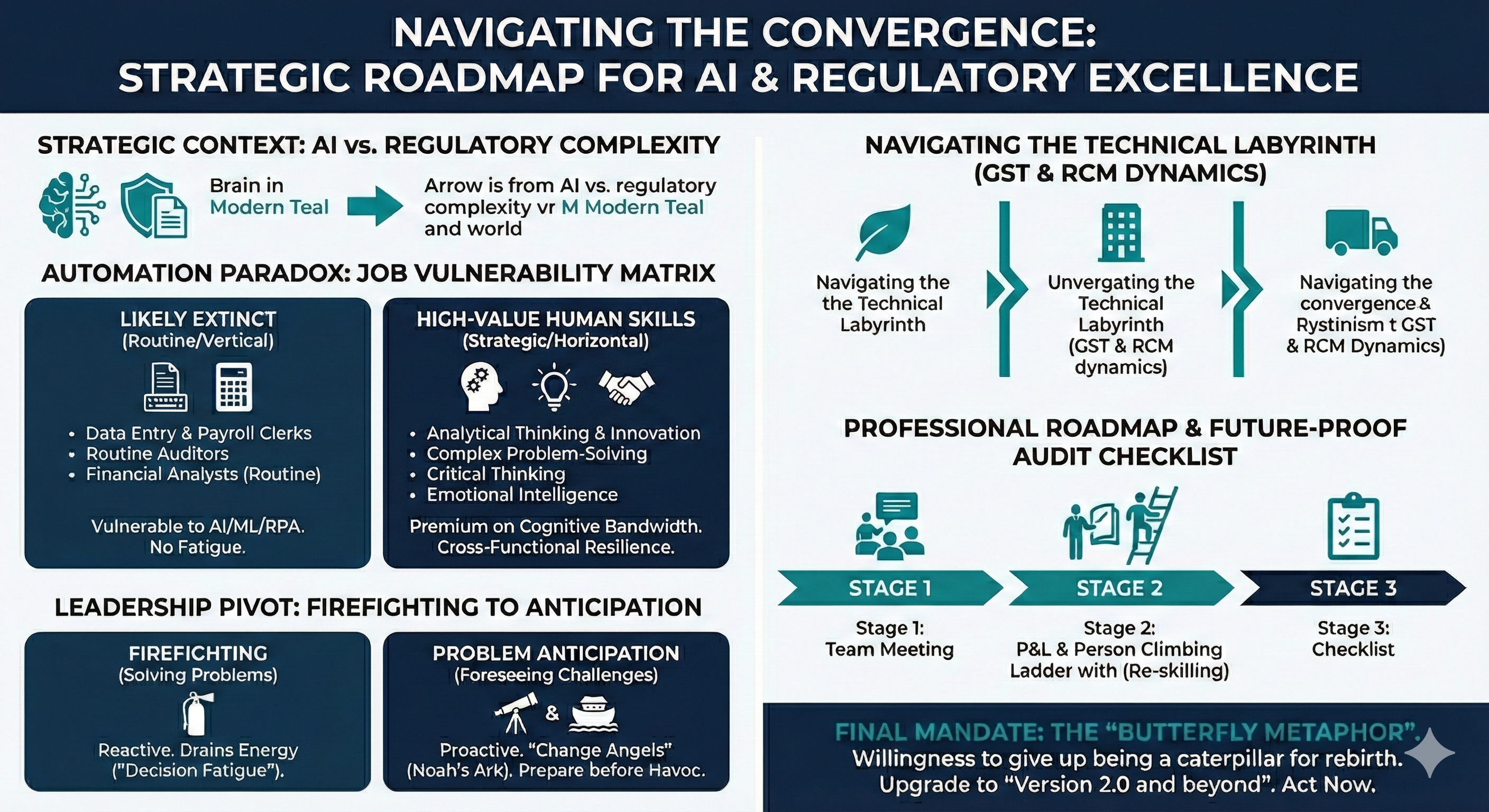
We have entered an era of unprecedented strategic collision, where the relentless advance of machine intelligence meets the increasing volatility of global regulatory frameworks. In the finance sector, leaders must understand how AI, automation, and predictive audits are reshaping GST compliance rather than relying solely on technical accuracy and historical reporting. As Nick Bostrom observes, machine intelligence may be the last invention humanity ever needs to make. This arrival marks the end of the "slow and steady" era; a proactive stance is no longer a luxury, but the only viable survival strategy for professionals operating in a landscape where software updates occur daily and the pace of change has accelerated to four times its historical speed.
In this new reality, uncertainty has become the new certainty. The business landscape is witnessing the fall of Goliaths and the rapid rise of agile "Davids" startups that leverage technology to disrupt entire industries in weeks rather than decades. This disruption necessitates a 360-degree shift in professional mindsets. We can no longer rely on skills acquired in the first phase of life to sustain a thirty-year career. The primary challenge for modern leadership lies at the intersection of AI-driven "Work Extinction" and the burgeoning technical capabilities of GST mechanisms. While AI excels at managing data, it lacks the cognitive bandwidth to navigate "Regulatory Volatility." This nuanced judgment remains the finance leader's only defensive moat.
2. The Automation Paradox: Job Extinction vs. Technical Complexity
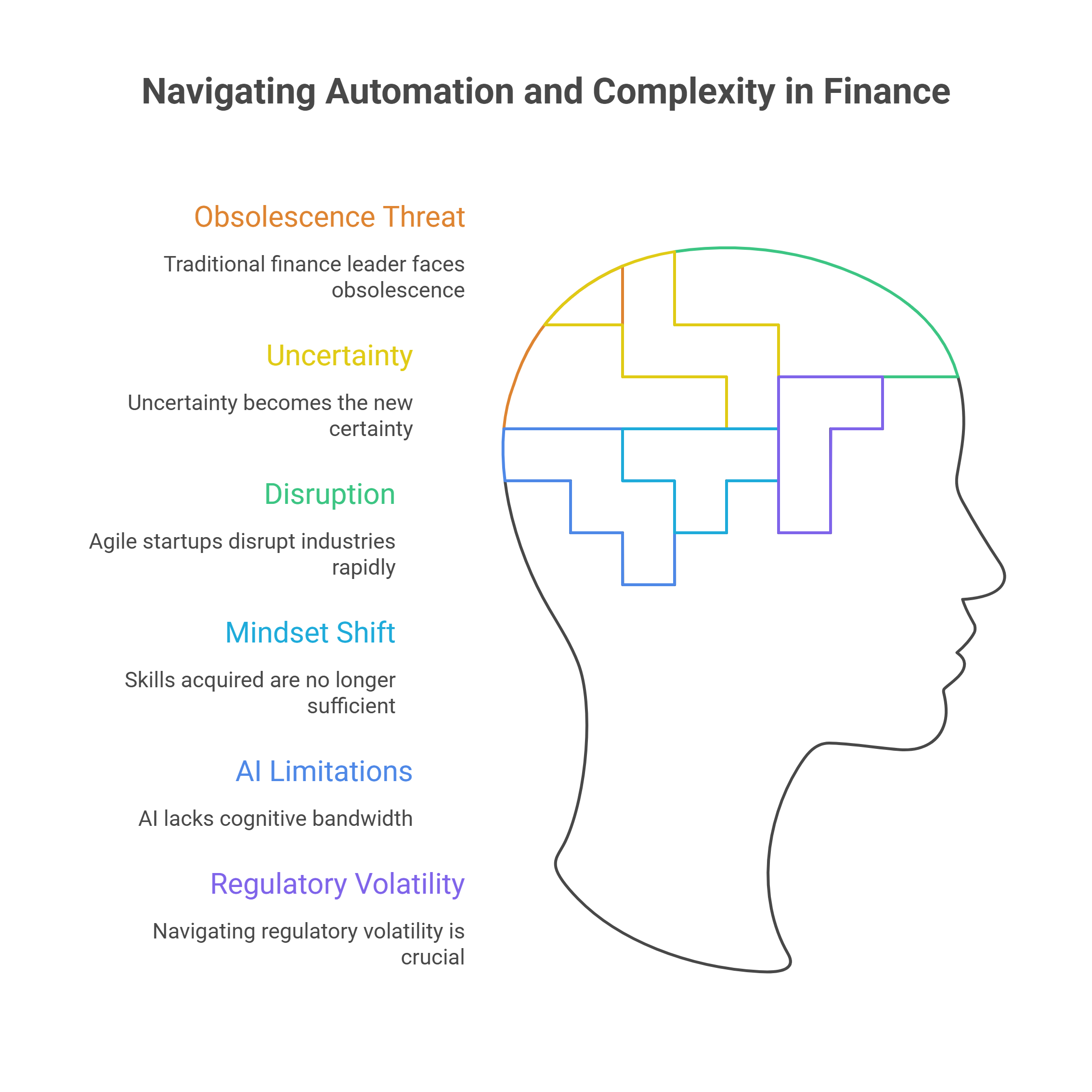
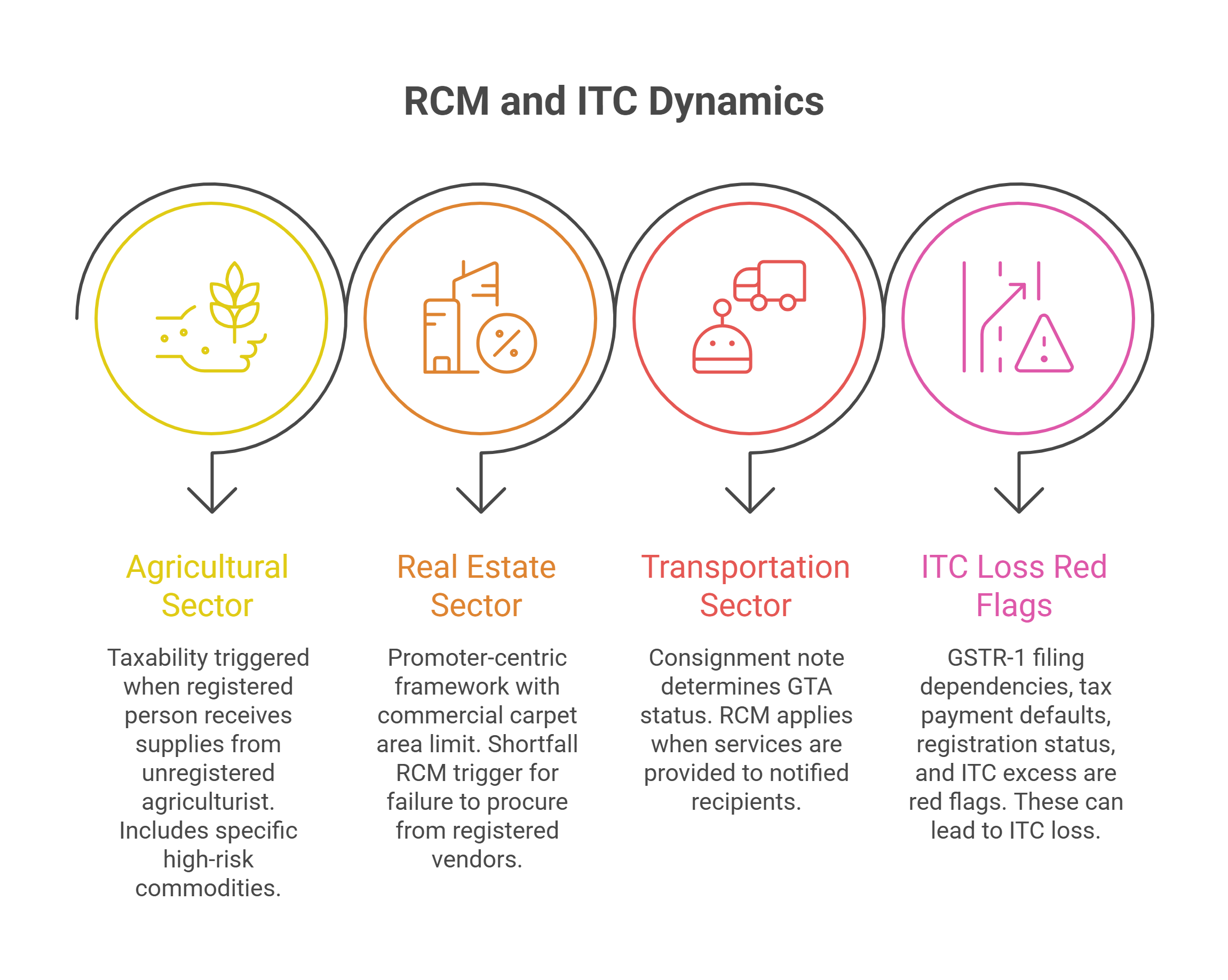
There exists a profound strategic tension between AI-capable routine tasks and the human-centric requirement for complex tax diagnosis. As routine functions are absorbed into the "digital gut," the premium on high-level analytical thinking and innovation rises exponentially. To survive, professionals must abandon "Vertical Shifts" deepening niche knowledge in silos susceptible to automation and embrace "Horizontal Shifts," moving across fields to gain the cross-functional resilience required in a fluid economy.
Vulnerability Matrix: Routine vs. Complex Functions
| Likely to Go Extinct (Routine/Vertical) | High-Value Human Skills (Strategic/Horizontal) |
| Data Entry & Payroll Clerks | Analytical Thinking and Innovation |
| Routine Auditors & Bank Tellers | Complex Problem-Solving |
| Financial Analysts (Routine Reporting) | Critical Thinking and Analysis |
| Bookkeeping Clerks | Creativity, Originality, and Initiative |
| Administrative & Executive Secretaries | Emotional Intelligence |
The "elephant in the room" is the rise of AI, ML, and RPA new competitors that work 24/7 without fatigue, coffee breaks, or sleep. We were raised for a predictable world where the "Turtle" beat the "Hare," but in the digital ecosystem, childhood metaphors are liabilities. The "Rabbits" are winning because speed and agility are now the primary markers of success. However, while machines can automate the "how," they fail to grasp the "why" of the technical labyrinth. It is here that expert human anticipation is required to prevent systemic compliance failures.
3. The Technical Labyrinth: Deep-Dive into RCM and ITC Dynamics
The Reverse Charge Mechanism (RCM) is no longer merely a targeted anti-evasion measure; it is a structurally embedded mechanism that influences organisational tax efficiency. Leadership must move beyond mechanical compliance and understand the applicability, examples, and compliance requirements of RCM under GST to manage the statutory rules and exemptions effectively.
The "Liability Shift" Across Key Sectors
Under Sections 9(3) and 9(4) of the CGST Act, the burden of tax payment shifts to the recipient, creating significant technical risk:
-
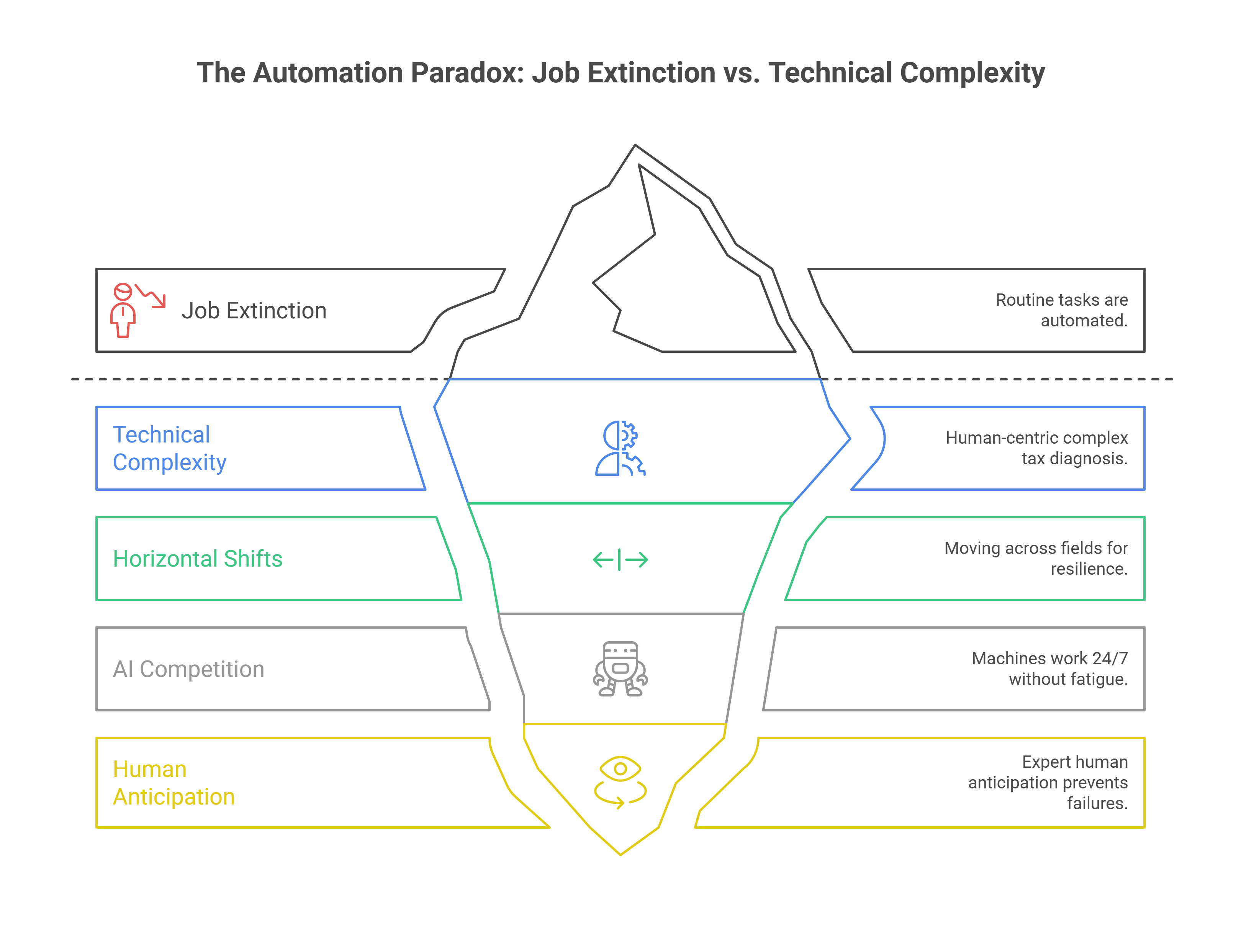
Agricultural Sector: Taxability is triggered when a registered person receives supplies from an unregistered agriculturist. This includes not only cashew nuts (unshelled/unpeeled), silk yarn, and raw cotton, but also specific high-risk commodities like Tendu leaves (bidi wrapper) and Tobacco leaves (Entries 1, 2, and 3).
-
Real Estate Sector: This framework is now "promoter-centric." Under the Residential Real Estate Project (RREP) rules, the commercial carpet area must not exceed 15%. Crucially, Section 9(4) introduces a Shortfall RCM trigger: a promoter must procure at least 80% of goods and services from registered vendors; failure to hit this mark triggers a mandatory RCM liability on the shortfall. Additionally, long-term land leases (≥30 years) under Entry 5C remain a major RCM focal point.
-
Transportation Sector: The "Consignment Note" is the decisive threshold. If a transporter issues this note, they are a Goods Transport Agency (GTA). RCM applies when services are provided to notified recipients, including: Factories (registered under the Factories Act), Societies, Co-operative Societies, Body Corporates, Partnership Firms, and any Registered Person or Casual Taxable Person.
The "Security of ITC Claim" as a Performance Metric
With the introduction of GSTR-2B and related ITC compliance requirements, recipient organisations face significant risks from vendor non-compliance. Regularly reviewing GSTR-2B and its supplier-wise input tax credit details helps finance teams identify missing invoices, assess credit availability, and investigate discrepancies before finalising their claims.
Red Flag Conditions for ITC Loss:
-
GSTR-1 Filing Dependencies: Inability to claim ITC because the vendor’s GSTR-1 is not filed or is restricted in GSTR-2B.
-
Tax Payment Defaults: The supplier has short-paid or defaulted on their tax liability to the Government.
-
Registration Status: The vendor has recently obtained registration or their registration has been cancelled for non-compliance.
-
ITC Excess: The vendor has availed excess ITC compared to their eligibility, signalling systemic risk.
4. From Firefighting to Problem Anticipation: The Leadership Pivot
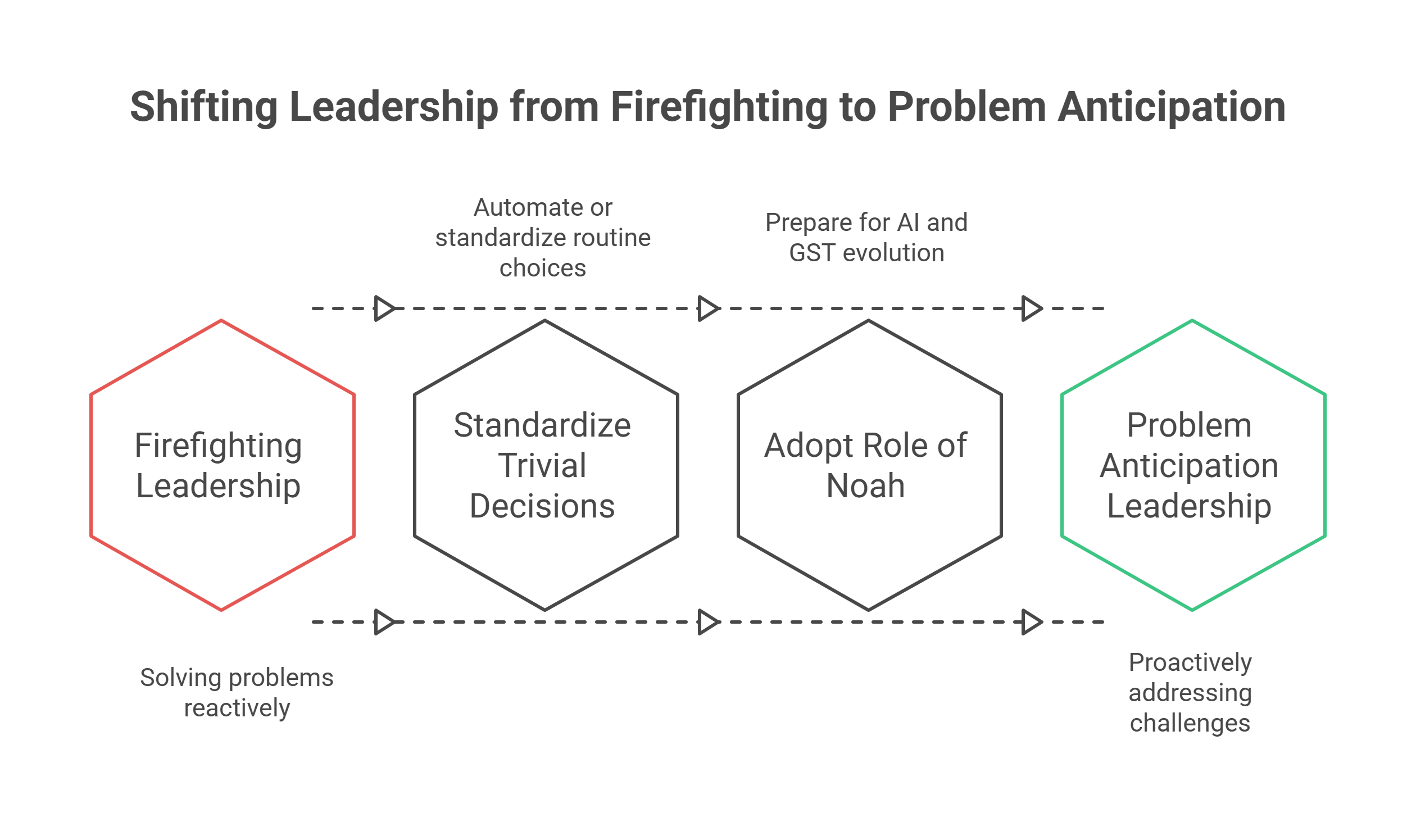
Modern leadership requires a shift from "Firefighting" (solving problems) to "Problem Anticipation" (foreseeing and plugging challenges). Those who only solve problems are becoming part of the problem. However, "Decision Fatigue" and the "Distraction Economy" are critical barriers to this shift.
Leaders lose momentum approximately every six minutes due to "trivial" decisions choosing emojis, deciding whether to CC or BCC a colleague, or navigating social media notifications. This drains cognitive energy. To combat this, leaders must implement "Routine-Turning": standardising or automating these trivial choices to conserve mental bandwidth for high-stakes regulatory strategy.
Adopting the "Role of Noah," leaders must act as "Change Angels." You are not just a manager; you are a philosopher-guide navigating your team (from Gen X to Gen Y) through "Work Extinction." Just as Noah built the ark before the rain, the leader must prepare the organisation for the fluid stages of AI and GST evolution before they create havoc.
5. Professional Roadmap: A Step-Plan for Organisational and Career Resilience
Resilience is not a one-time project but a "Lifelong Learning" mandate. Internal transformation must exceed external change; if the rate of change outside exceeds the rate inside, the end is near.
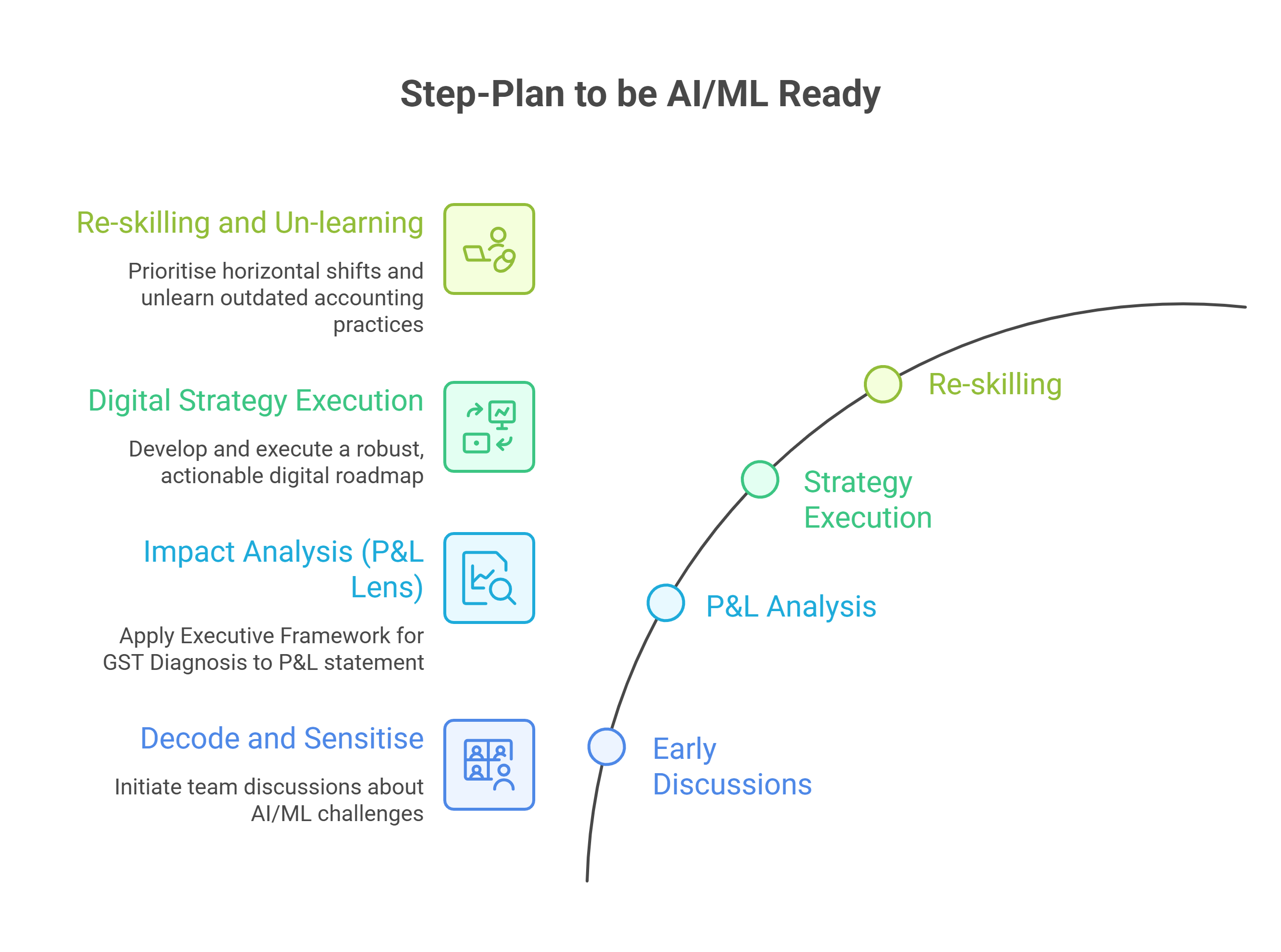
Step Plan to be AI/ML Ready
-
Decode and Sensitise: Initiate early discussions with team members about AI/ML challenges to foster a sense of involvement before technology disrupts their roles.
-
Impact Analysis (P&L Lens): Apply the executive framework for GST diagnosis to your Profit and Loss statement and analyse expense ledgers to identify RCM-triggered transactions. During finalisation of accounts from a GST perspective, reconcile RCM liabilities, ITC claims, and financial records, and assess any applicable ITC reversal requirements under the law.
-
Digital Strategy Execution: While 90% of CEOs believe in the digital economy, only 15% execute a strategy. You must bridge this gap with a robust, actionable digital roadmap.
-
Re-skilling and Un-learning: Prioritise Horizontal shifts over Vertical depth. Be willing to unlearn outdated accounting practices to make room for fintech and app-based ecosystems.
The Future-Proof Compliance Audit Checklist
-
[ ] GSTR-2B Weekly Reconciliation: Monitor ITC availability against supplier filings and compare the relevant statements to identify discrepancies. Understanding the differences between GSTR-2A and GSTR-2B helps teams use each statement appropriately during reconciliation.
-
[ ] Shortfall Monitoring (Real Estate): Ensure 80% procurement from registered persons to avoid Sec 9(4) RCM.
-
[ ] RCM Payment Mandate: Verify that RCM liabilities are discharged in cash as required, and reconcile the tax paid with the related ITC claims. Reviewing the GST portal's ITC and RCM ledger requirements can help teams identify ledger mismatches and correct reporting errors.
-
[ ] RCM Self-Invoice Documentation: Issue and maintain self-invoices for all unregistered procurements under Section 31(3)(f).
-
[ ] Vendor Registration Audit: Track the registration compliance history of all key suppliers.
The ultimate success mantra is to "Probe Harder, Achieve Better."
6. Final Mandate: The State of Mind
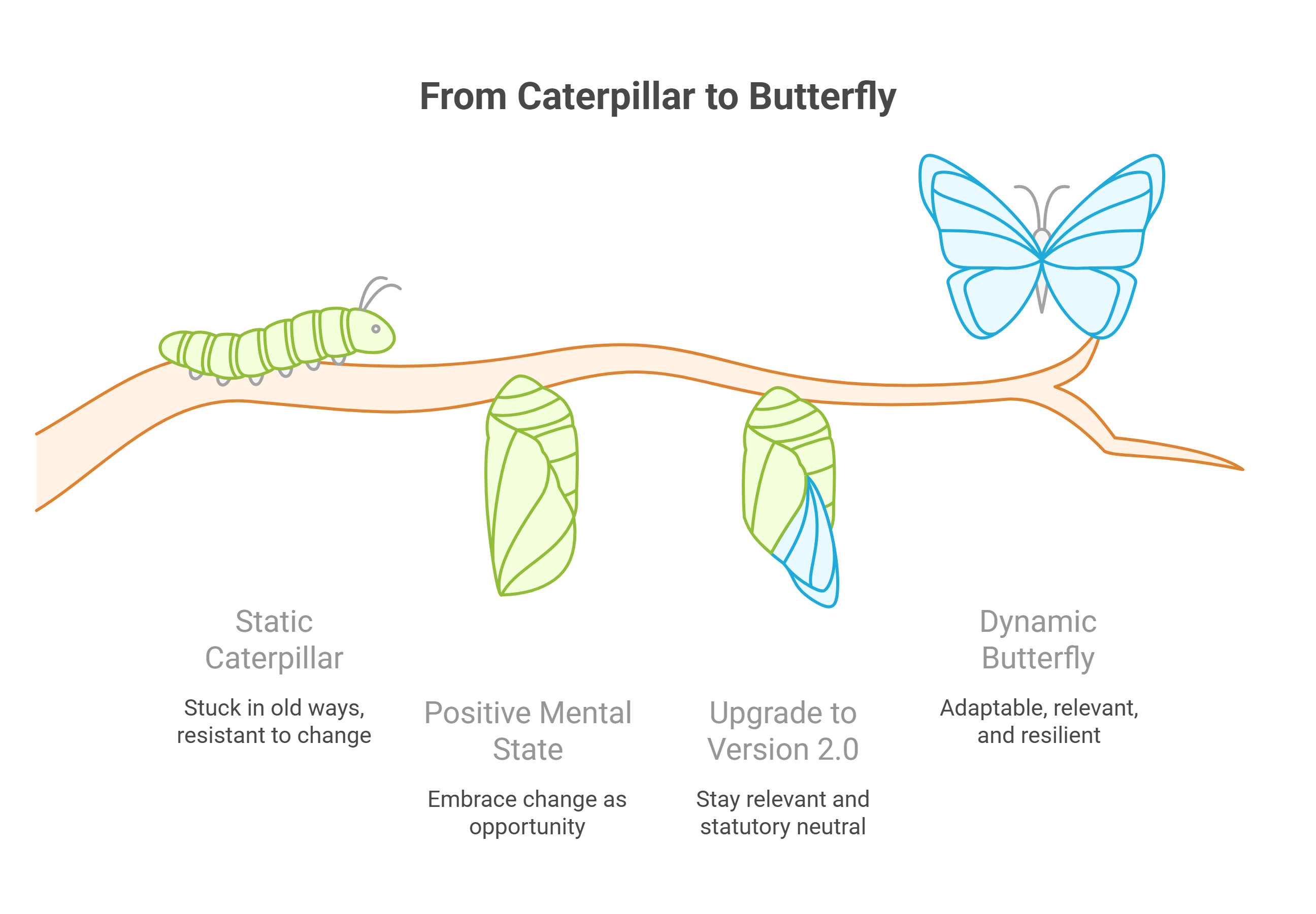
Professional longevity requires a fundamental shift in mindset. Adopt the "Butterfly Metaphor": to become a butterfly, you must be entirely willing to give up being a caterpillar. This requires a positive mental state that views the collapse of old systems as the birth of new opportunities.
In a world where software applications update daily, you cannot remain static. You must upgrade to "Version 2.0 and beyond" to maintain statutory neutrality and strategic relevance. As Sir Edmund Hillary said to Mount Everest, "I will come again and conquer you because as a mountain you can't grow, but as a human I can." The future will not be kind to those who miss the bus of reinvention. Act now, without delay.
ITC reversal rule 42 & 43 | GST audit process | GST audit procedure | GST penalty under section 74 | GST set off rules | New GST set off rules with examples
About the Author

- ★★
- ★★
- ★★
- ★★
- ★★

Check out other Similar Posts

CFO Weekly Digest
A weekly newsletter delivering sharp insights, strategic analysis, and critical updates on business, finance, and compliance — designed exclusively for CFOs and Finance Leaders
Masters India is a GST Suvidha Provider (GSP) appointed by Goods and Services Tax Network (GSTN), a Government of India enterprise.
 Procapitus Business Park, 4th Floor, D 247/4A, Sector 63 Rd, Noida, Uttar Pradesh 201301
 info@mastersindia.co




Certified