Masters India
Masters India
Products
Tools
Resources
Company

Chapter 4: GST Audit by Tax Authorities (Section 65)

GST Audit by Tax Authorities (Section 65)

Introduction to GST Audits

Introduction to GST Audits

GST audits are formal examinations conducted by tax authorities to verify the accuracy, completeness, and compliance of a registered person’s GST records and transactions. Governed by Section 65 of the GST law, these audits establish a framework for planning, executing, and concluding an audit, ensuring adherence to procedural guidelines. The process encompasses authorization, intimation, audit period definition, and the systematic finalization of findings.

Authorization and Conduct of Audit

Authorization and Conduct of Audit

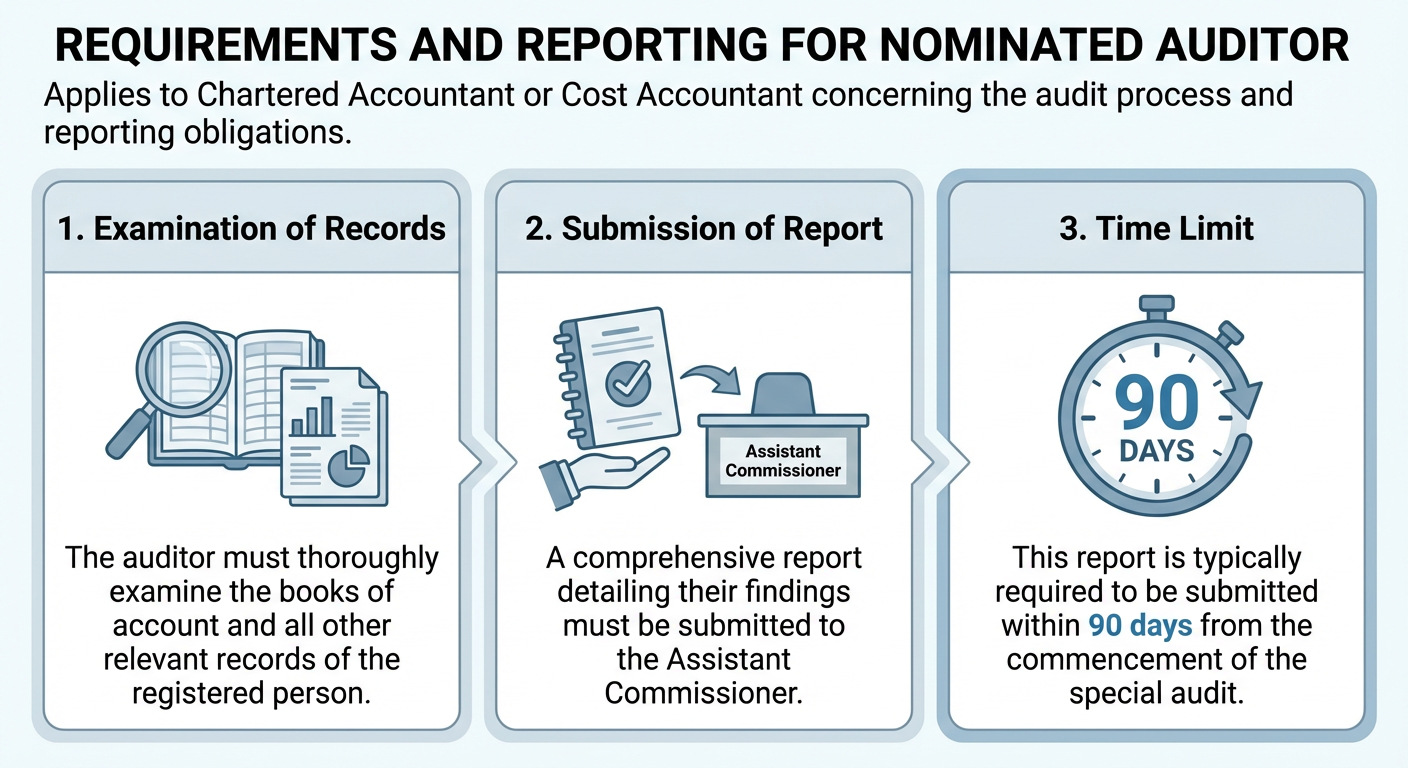
An audit under Section 65 may be conducted by any officer authorized by the Commissioner, either generally or for a specific case. The audit can take place at the registered person’s place of business or at the office of the tax authorities. A crucial procedural step is the issuance of an intimation or order to the taxable person, which must be specific to the audit and clearly state the tax period selected for examination. The primary purpose and scope of such an audit are to examine records and processes relevant to the taxpayer’s GST obligations for the specified period.

Intimation and Commencement

Intimation and Commencement

The proper officer is mandated to issue an intimation of audit to the registered person at least 15 working days in advance. The commencement date of the audit is determined as the later of two events:

The date on which the records and documents requisitioned by tax authorities are made available by the registered person.

The actual start of the audit at the place of business.

Period and Duration of Audit

Period and Duration of Audit

As per Rule 101(1), the audit period under Section 65(1) can be a financial year, a part thereof, or multiple financial years. This ensures that auditors review a clearly defined period as specified in the audit order. The audit must be completed within 3 months from its commencement date. However, the Commissioner has the authority to extend this period by a further 6 months, provided the reasons for such an extension are recorded in writing.

Procedures for Conducting the Audit
Procedures for Conducting the Audit

The conduct of a GST audit involves a structured series of steps to ensure thoroughness and fairness:

Planning and Objectives: Defining clear audit objectives, scope, and criteria, while identifying key stakeholders and potential risks.

Data Collection and Understanding: Gathering all relevant data, documents, records, and information to develop a comprehensive understanding of the audited processes and operations.

Risk Assessment and Testing: Identifying and assessing potential risks to compliance, followed by testing controls, transactions, or samples to verify accuracy.

Analysis and Conclusions: Analyzing collected data to draw conclusions and pinpoint areas of concern.

Reporting: Preparing a detailed audit report that outlines findings, supporting evidence, conclusions, and recommendations.

Communication: Discussing audit results with relevant stakeholders to ensure transparency and facilitate corrective actions.

Follow-up: Monitoring the implementation of audit recommendations and tracking progress.

Closing: Finalizing the audit process, archiving documents, and assessing overall audit effectiveness.

Finalizing Audit Findings

Finalizing Audit Findings

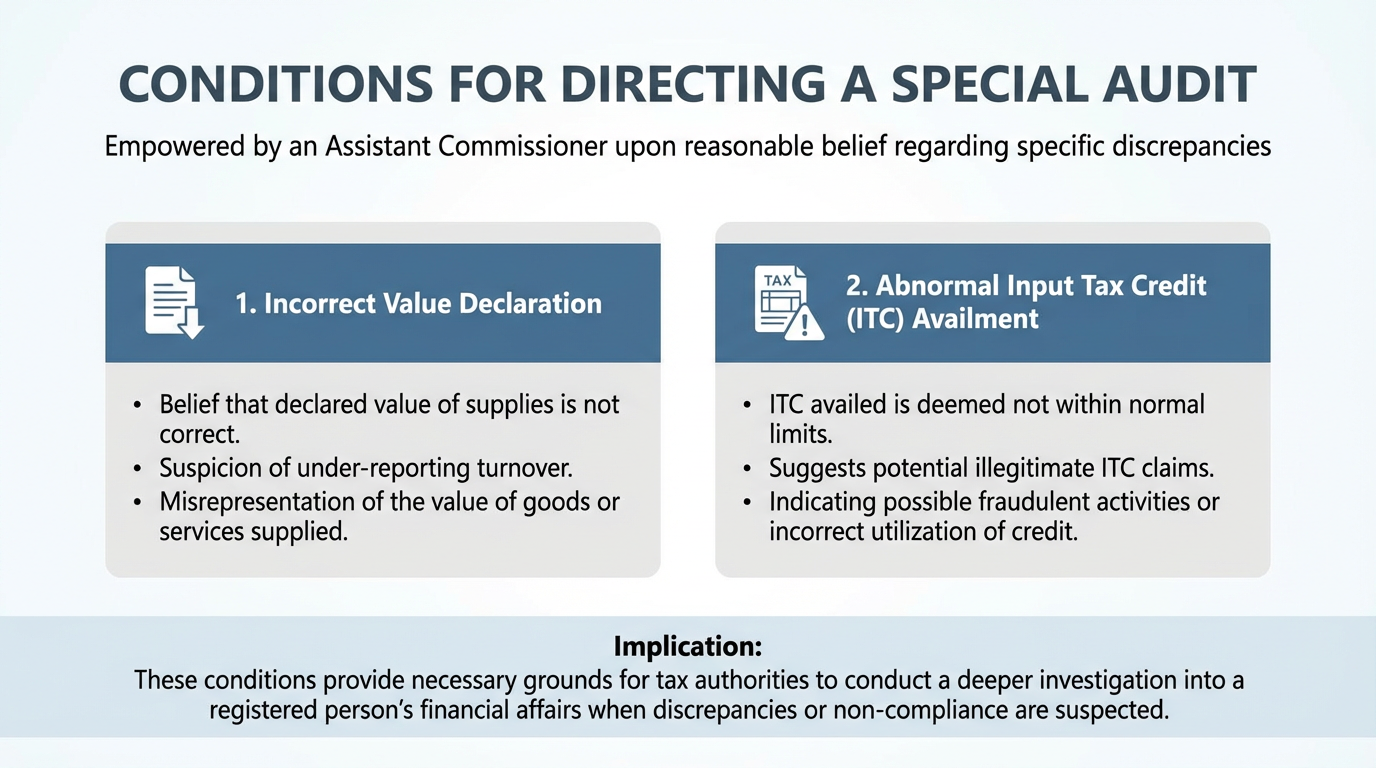
Audit findings are formally documented in an audit report, which includes:

Observations identifying any non-compliance, discrepancies, or enforcement concerns.

Supporting evidence gathered during the audit.

Recommendations for corrective action and process improvements.

Conclusions regarding the taxpayer’s adherence to GST laws during the audit period.

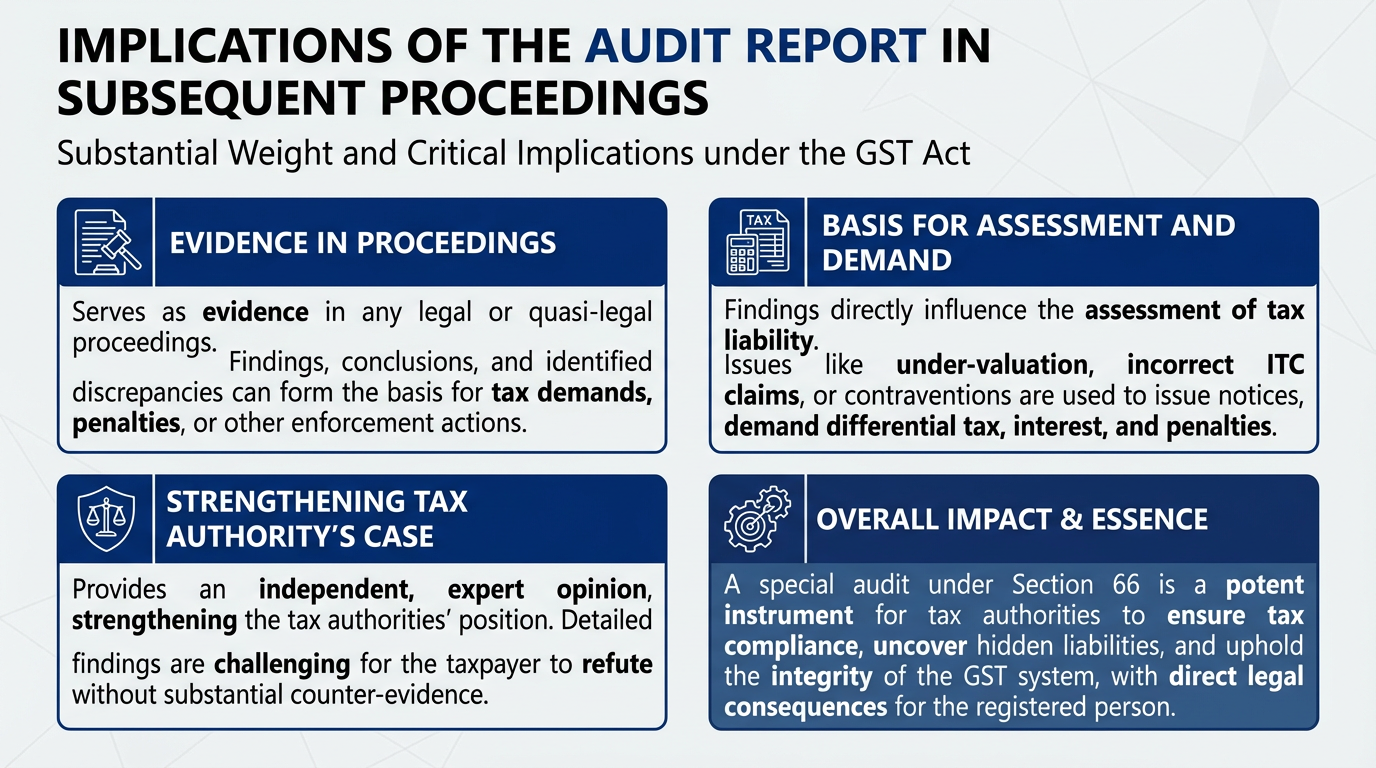
The primary purpose of these findings is to inform the taxpayer of identified issues and to facilitate remedial actions. They also serve as a basis for further proceedings, such as assessment or penalties, if required. The audit is officially closed after findings are communicated, responses are considered, and appropriate actions, including follow-up on corrective measures, are completed. All documentation is archived for future reference.

Documentation and Evidence

Documentation and Evidence

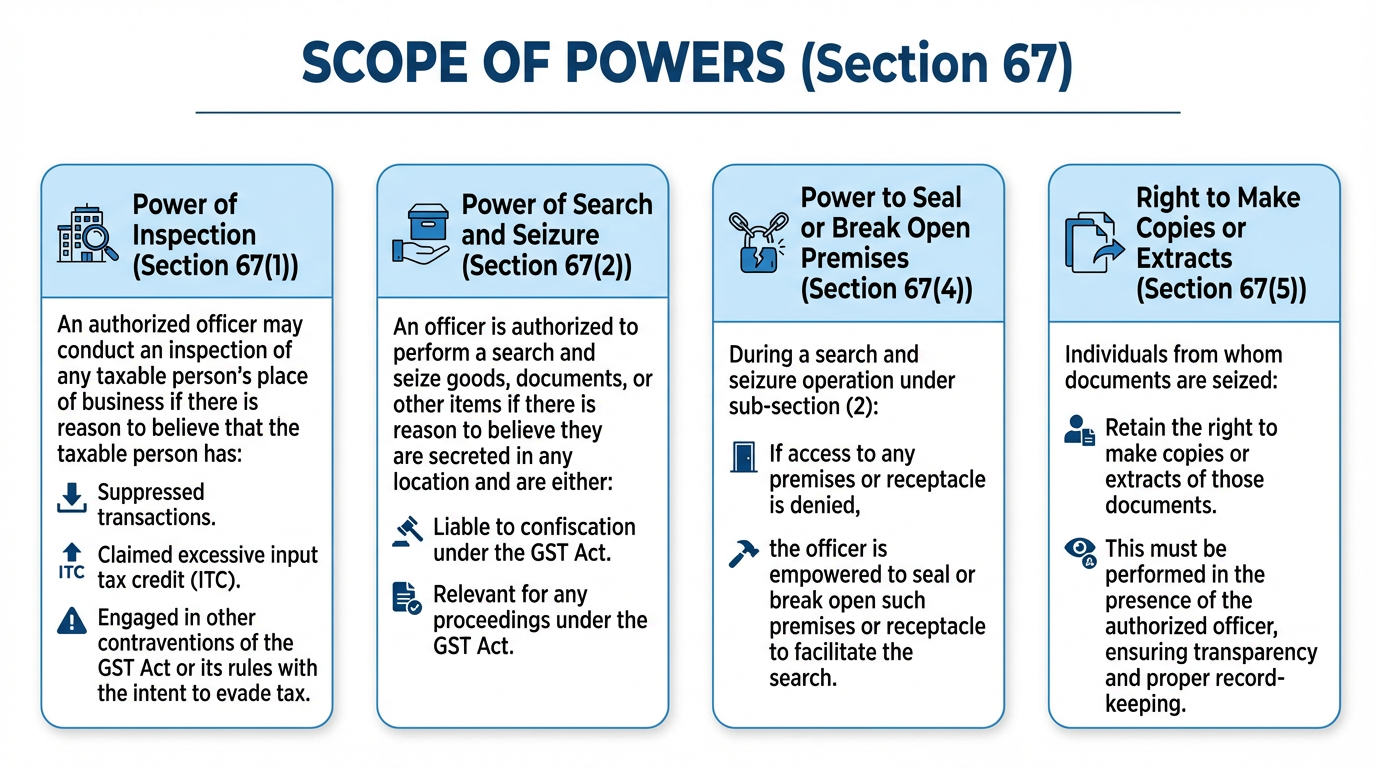
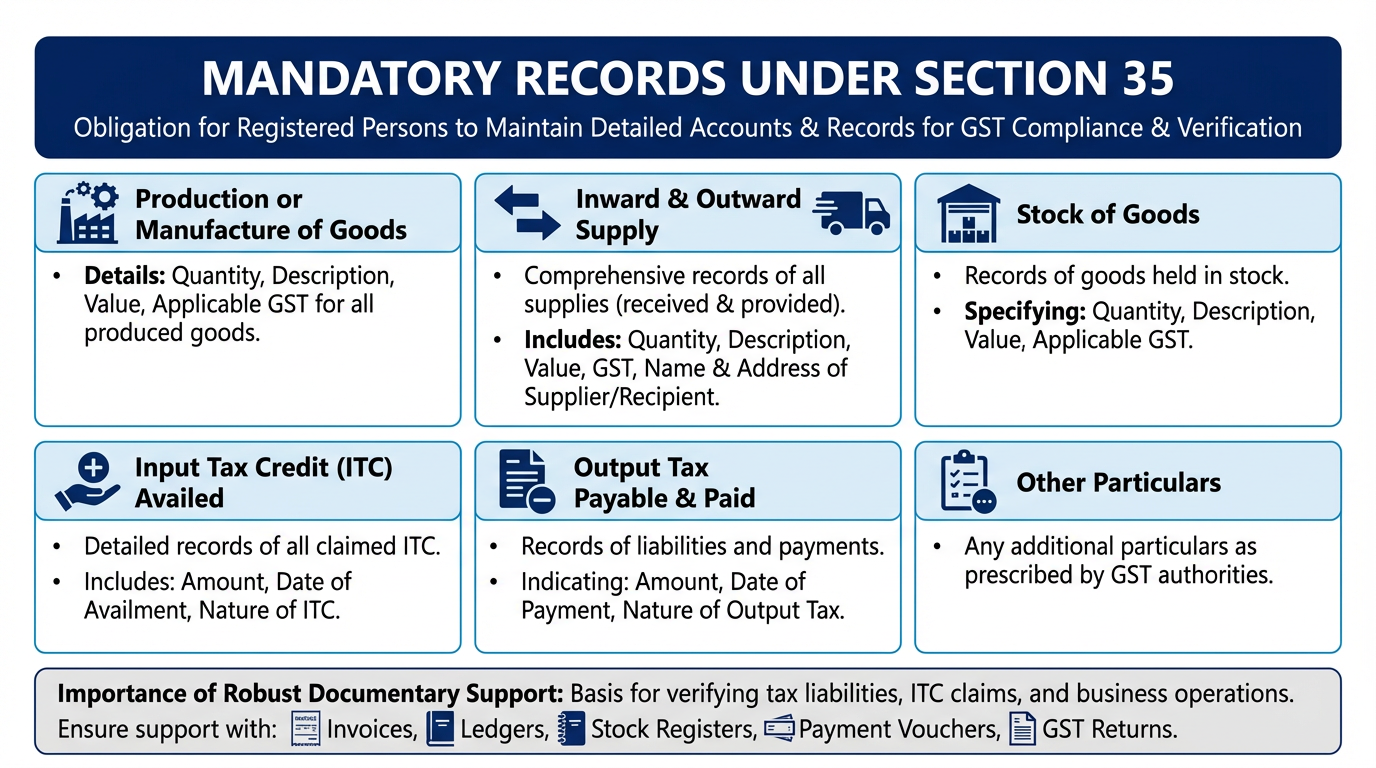
During an audit, authorities may request various documents, including:

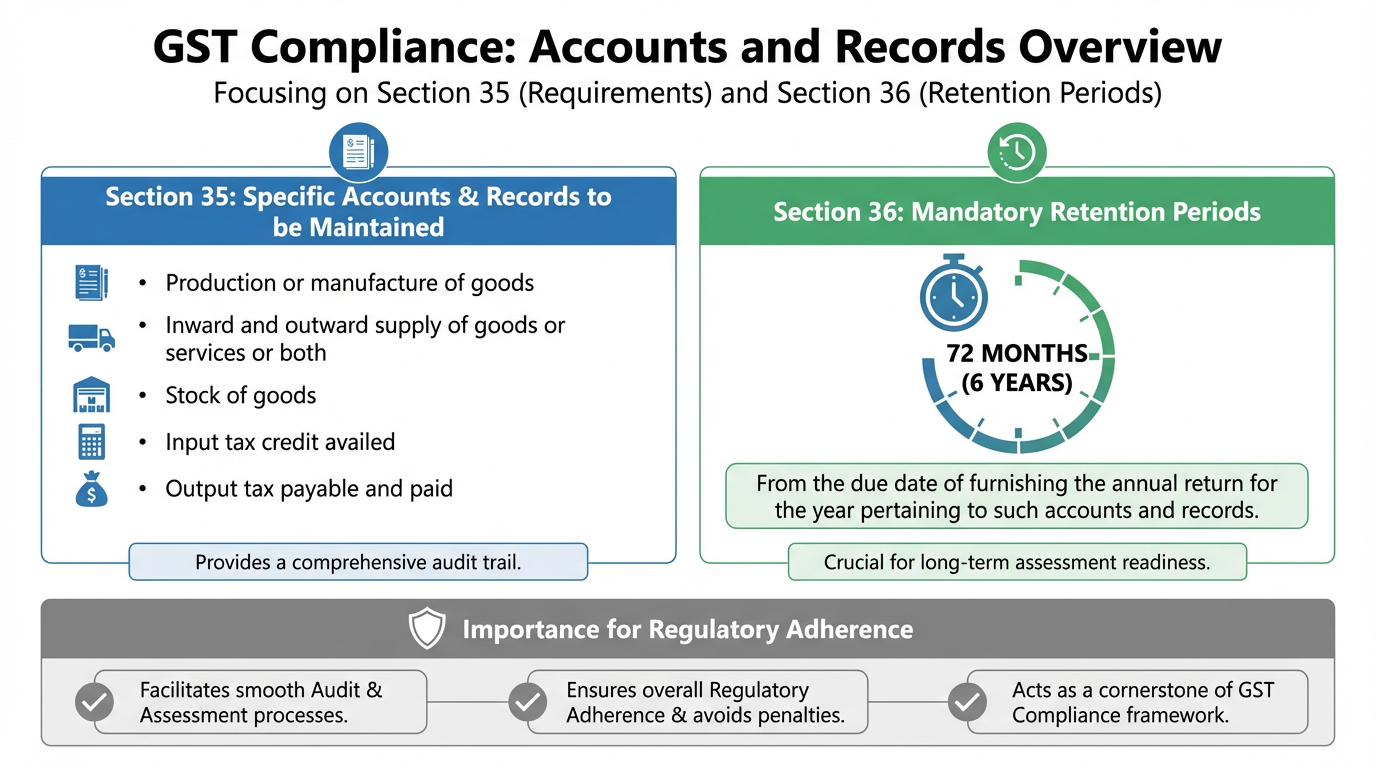
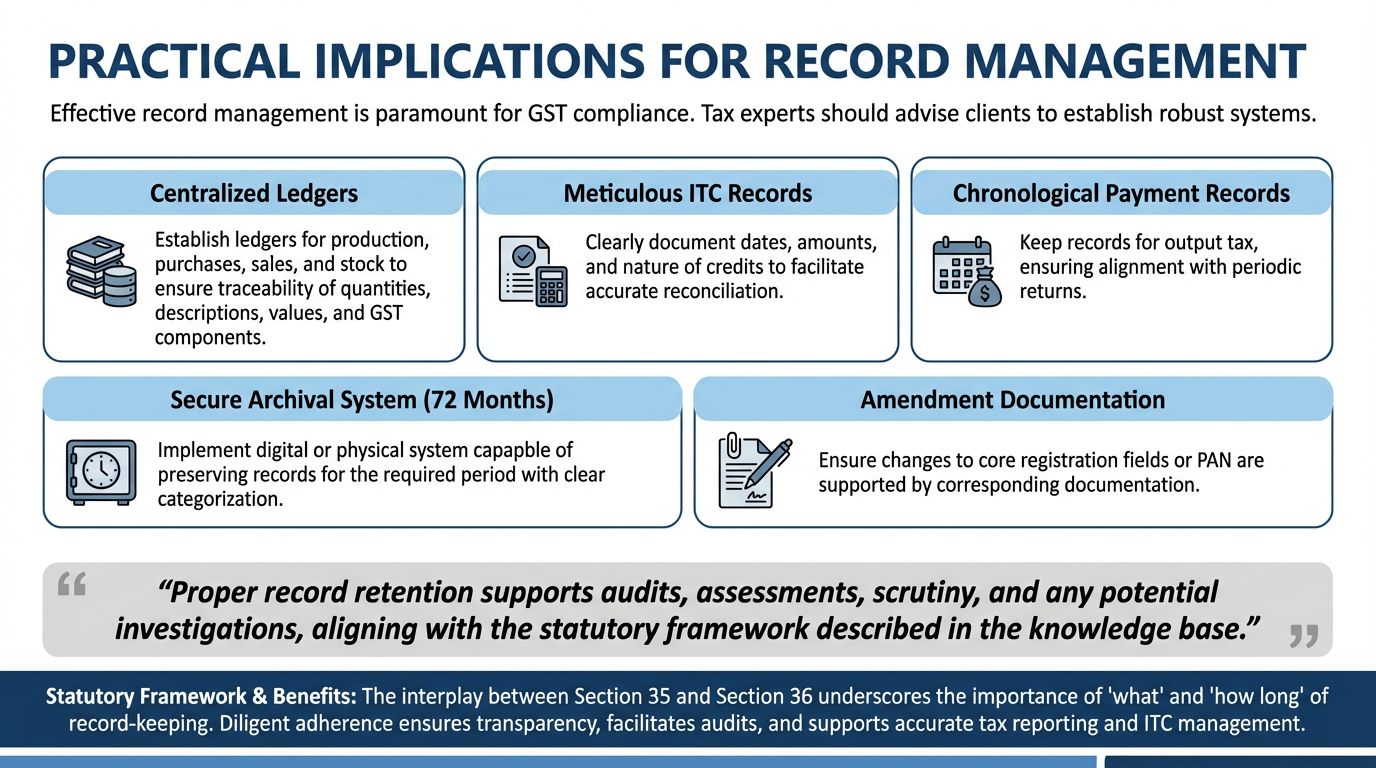
Books of accounts, ledgers, financial records, and stock records.

Sales/purchase invoices, input tax credit records, and output tax records.

Computerized records, databases, and related digital information.

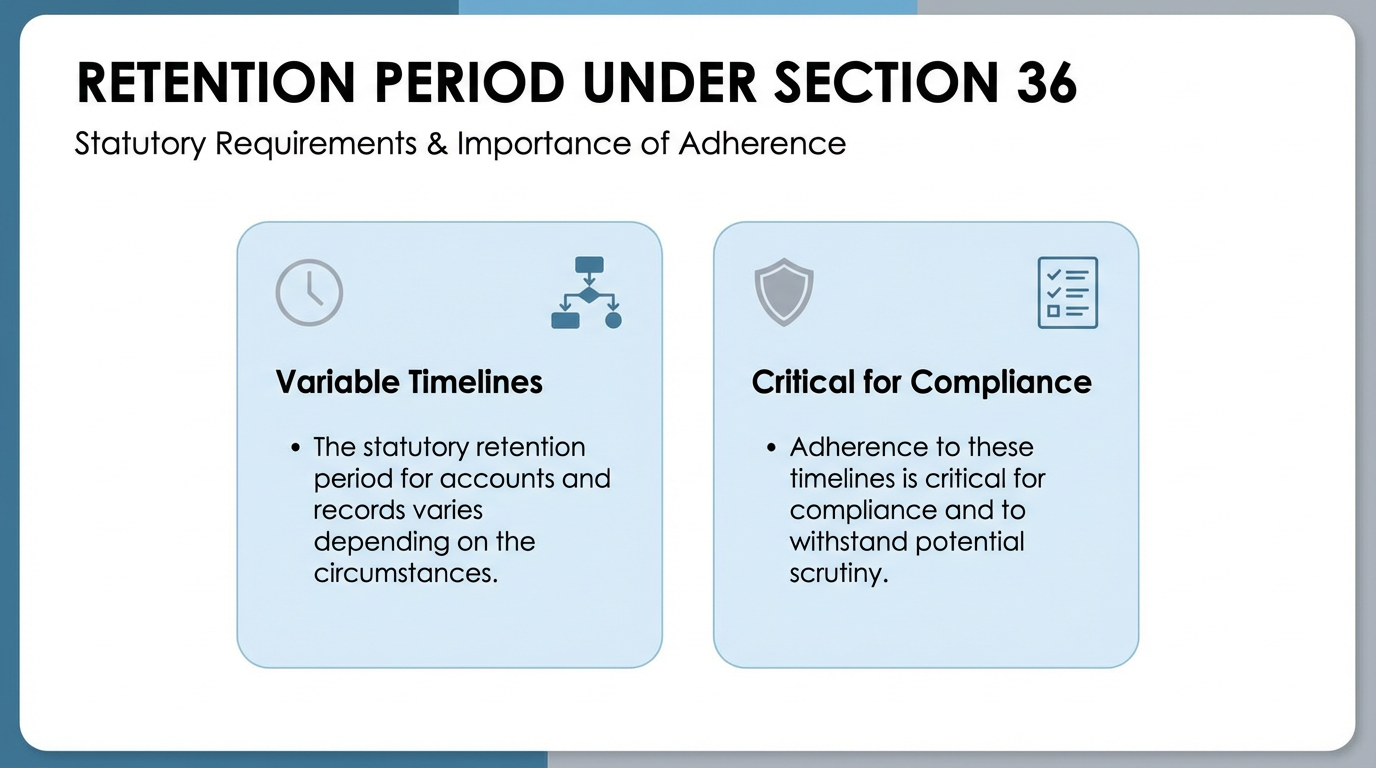
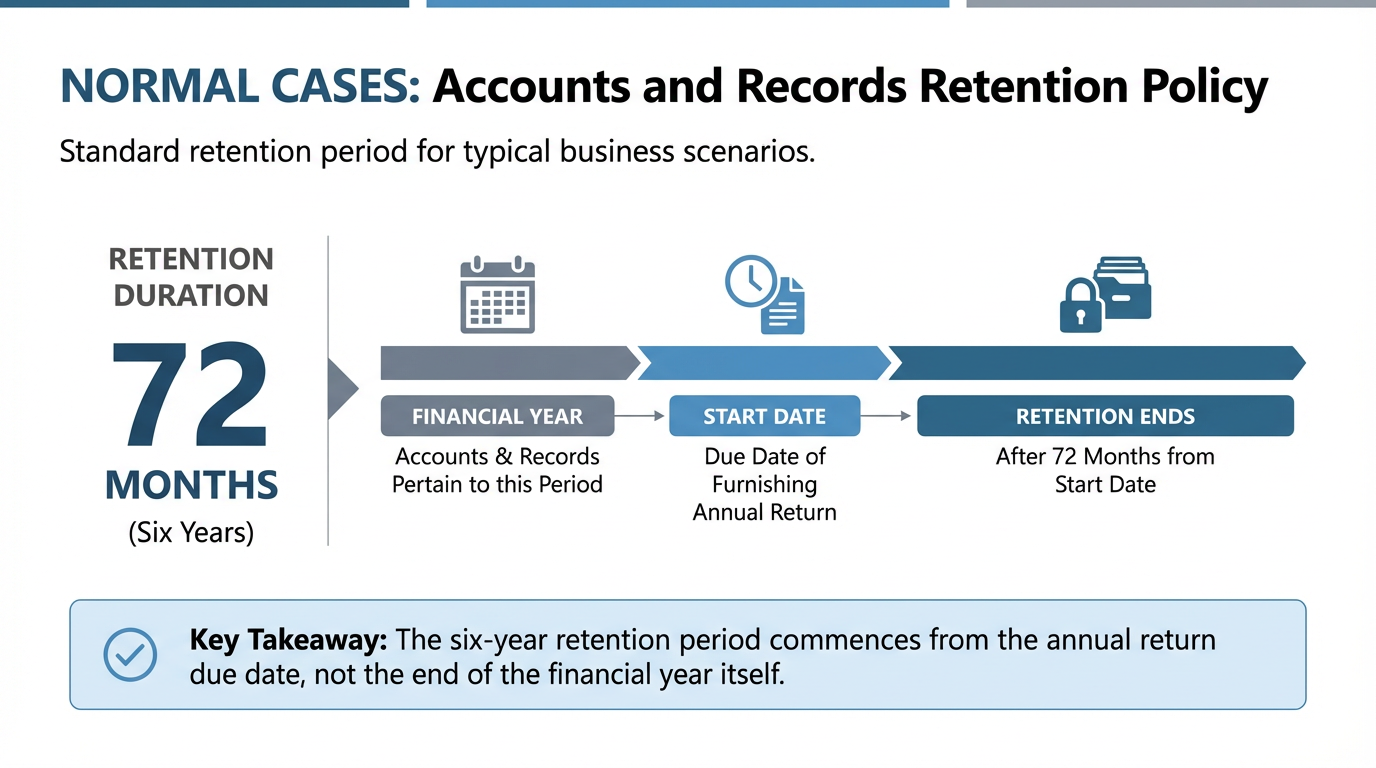
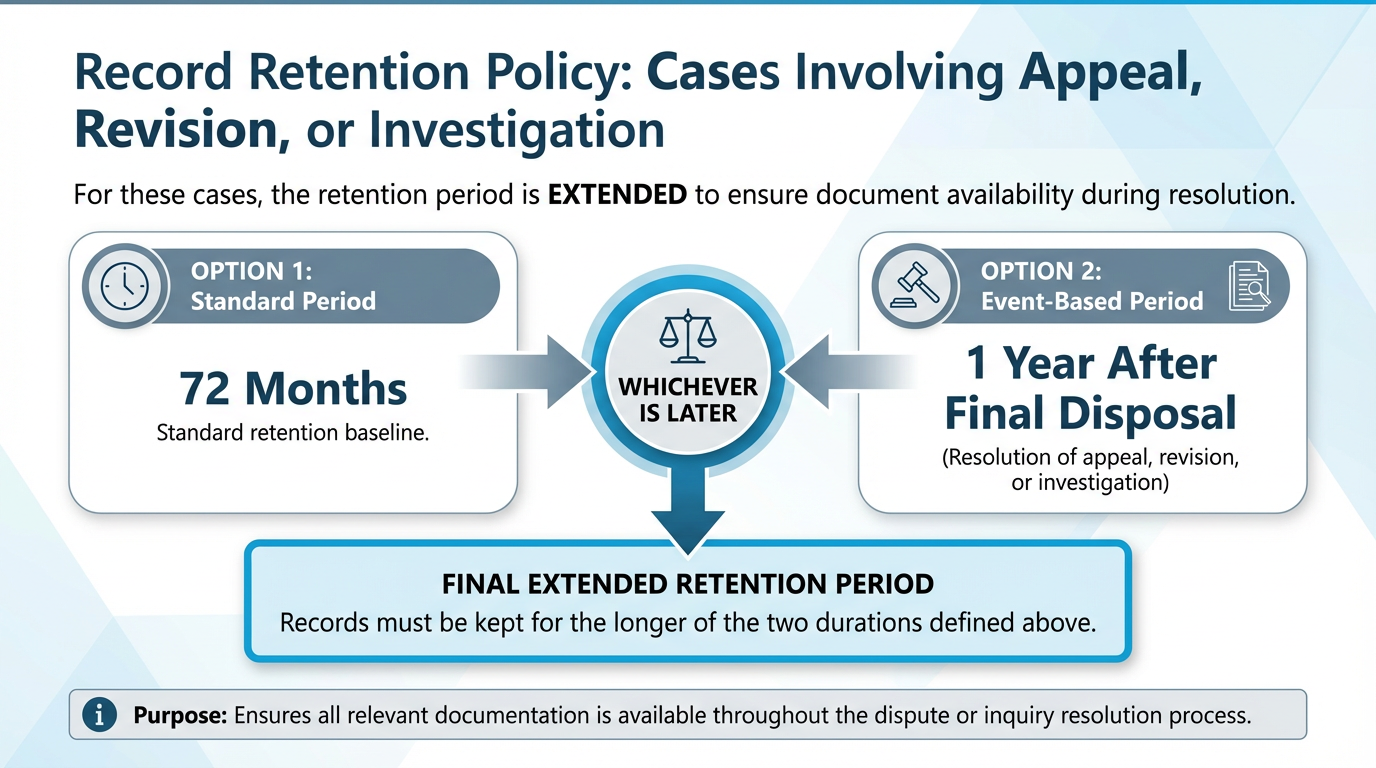
Records must be retained for specified periods, typically 72 months from the due date of furnishing annual returns, with longer retention periods in cases of appeals or investigations. Audit findings, along with supporting documents, form the evidentiary basis for any subsequent proceedings or assessments.

Key Concepts and Practical Considerations for Taxpayers

Key Concepts and Practical Considerations for Taxpayers

GST audits are a formal mechanism to validate compliance, assess the accuracy of returns, and ensure tax revenue integrity. The process emphasizes transparency, documentation, and timely responses. Auditors are expected to uphold due process and provide taxpayers with reasonable opportunities to present evidence.

Taxpayers should

Taxpayers should

Prepare in advance: Maintain organized and up-to-date records of all GST-related transactions.

Respond promptly: Make requested documents available by specified dates and provide clear explanations.

Communicate openly: Engage with auditors to understand the scope and address any identified gaps.

Key Takeaways

GST audits under Section 65 establish a structured and transparent process for verifying compliance and ensuring accurate tax administration. From authorization and advance intimation to the defined audit period and the systematic finalization of findings, the framework ensures that audits are purposeful and accountable. Taxpayers are encouraged to maintain robust records, cooperate with authorized auditors, and utilize audit findings to strengthen internal controls and compliance practices.

Rate this chapter

0.00 / 5. Vote count: 0

Leave a comment